
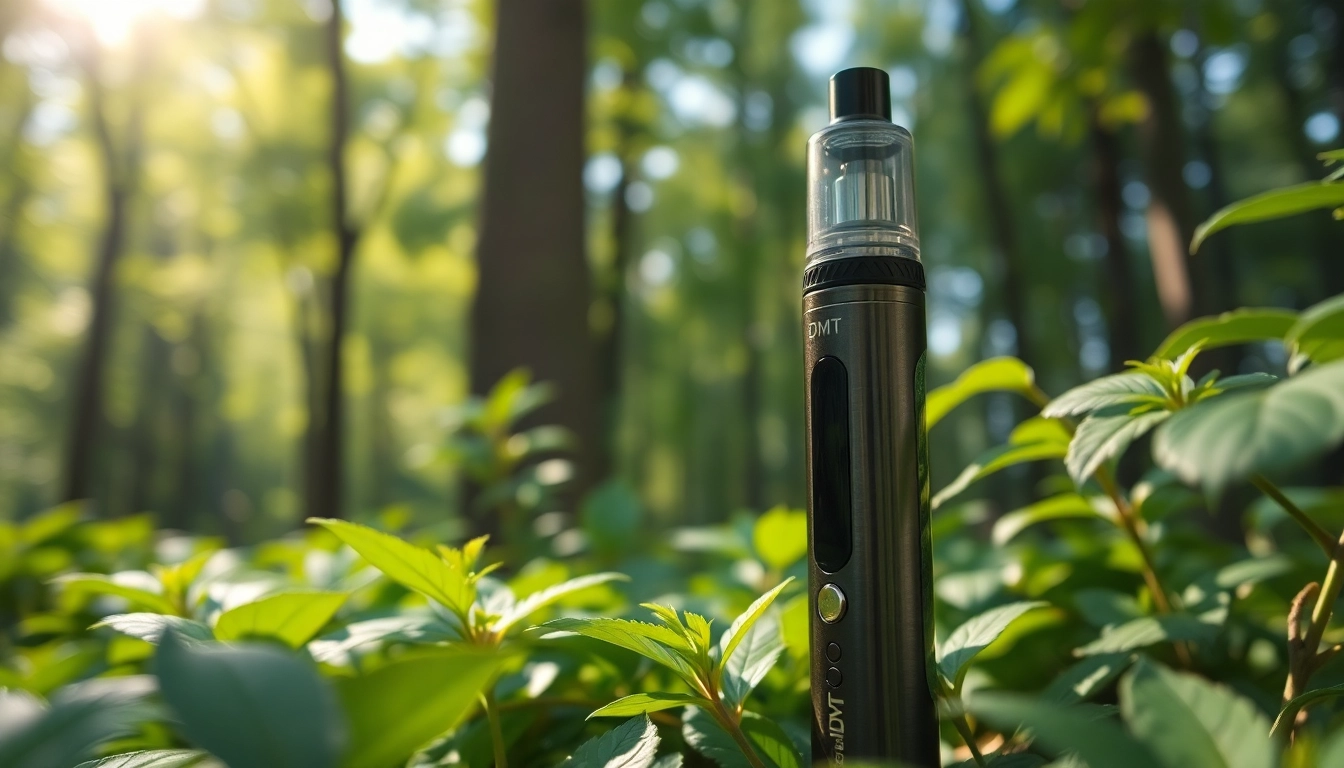
Understanding DMT and Its Uses
What is DMT?
DMT, or N,N-Dimethyltryptamine, is a powerful psychedelic compound found in various plants and animals. It is known for inducing intense visual and auditory hallucinations, as well as altered states of consciousness. DMT has a chemical structure similar to serotonin, a neurotransmitter involved in mood regulation. This similarity is part of why DMT interacts so profoundly with the human brain, producing experiences that can range from deeply spiritual to extraordinarily strange. As a versatile compound, DMT can be extracted from plants like Psychotria viridis or synthesized in the laboratory, allowing for a variety of consumption methods.
Common Uses of DMT
DMT is primarily used for its psychoactive effects. Many individuals seek DMT for therapeutic reasons, including the treatment of anxiety, depression, and PTSD. Some cultures have a long-standing history of using DMT-containing plants in traditional ceremonies, particularly in the form of ayahuasca—a brew made from various Amazonian plants that can produce transformative experiences. Research is also ongoing into the potential therapeutic applications of DMT, particularly in relation to mental health therapies.
The Experience: What to Expect
Experiences on DMT can vary widely among individuals but are generally characterized by intense visual hallucinations, a perceived sense of entering other dimensions, and profound feelings of interconnectedness. The onset of effects is rapid and can last from a few minutes to an hour, depending on the method of administration. Users often report engaging with entities or profound internal insights. Preparing for a DMT experience often includes setting a conducive environment, as the mindset and surrounding atmosphere influence the trip’s outcome significantly.
Legal Considerations: Is DMT Legal?
Federal Laws on DMT
In the United States, DMT is classified as a Schedule I controlled substance under the Controlled Substances Act, meaning it is illegal to manufacture, distribute, or possess. This categorization makes it illegal to “buy” or “sell” DMT outside of specific research contexts approved by the Drug Enforcement Administration (DEA). Given its Schedule I status, questions of legality are intricately tied to ongoing research into its potential therapeutic benefits.
State Regulations to Watch
While federal law prohibits DMT, individual states may have varying positions on its legality. Some states have decriminalized the use of all or certain psychedelics, allowing for a nuanced legal landscape. It’s essential for individuals interested in exploring DMT to understand the specific laws in their state before attempting to acquire or use the substance. This includes being aware of emerging legislative efforts that may affect DMT’s legal status.
Consequences of Illegal Purchases
Purchasing DMT illegally can lead to severe legal consequences, including substantial fines and imprisonment. Possession of even small amounts may result in criminal charges, depending on state statutes. Additionally, individuals engaging in illegal transactions may encounter risks related to product quality and purity, increasing the danger of harmful experiences. It’s vital to be informed and cautious when considering DMT’s availability and use.
Where to Buy DMT: Options and Resources
Online Sources for DMT
With the legal complexities surrounding DMT, finding a legitimate source can be challenging. Some online platforms claim to sell DMT products or related paraphernalia, but it’s crucial to approach these options with caution. where to buy dmt from trustworthy vendors entails ensuring they comply with local laws and prioritize product purity. However, given the restrictions, potential buyers often resort to forums and communities where personal experiences and resources are shared. Exercise extreme caution and due diligence in these situations.
Physical Locations: What to Know
In terms of physical locations, it’s essential to recognize the high likelihood of encountering illegal markets. Many who wish to procure DMT may have to rely on informal networks that can be rife with risk, including legal repercussions and products of questionable quality. Engaging with local ceremonial leaders who conduct ayahuasca ceremonies could be an alternative pathway, as these traditions often incorporate DMT in regulated settings. This not only minimizes legal risks but also enhances the experience under trained supervision.
Benefits of Legal Vendors
Purchasing DMT through legal channels provides several advantages, including assured product quality and user safety. Legal vendors typically adhere to stringent quality controls and undergo regular testing for purity, reducing the risk of harmful contaminants. Additionally, the backing of regulatory frameworks can facilitate a more supportive environment for education and safe use. Engaging with reputable vendors ensures that users can access accurate information and community supports.
Safety and Quality: Ensuring a Secure Purchase
Identifying Reputable Sources
Finding reputable sources requires diligent research. Potential buyers should look into online reviews and community feedback when evaluating vendors. Reputable sources often engage transparently about their products, providing lab test results and clear information about sourcing. Joining forums with experienced users can also yield insights into trustworthy vendors. It is crucial not to rush into purchases without adequate vetting, as this can lead to negative outcomes.
Checking Product Quality
To ensure product quality, inquire about lab testing and certification. High-quality DMT should come with verifiable results from third-party laboratories demonstrating purity levels. People should also familiarize themselves with common adulterants found in illicit products. Seeking out products that are derived through established extraction methods is key to ensuring safety and legitimacy. Non-toxic routes of production lead to a much safer experience.
Consumer Rights and Protections
Understanding consumer rights in the context of DMT purchases can empower buyers. Legitimate vendors should respect rights related to product returns, refunds, and transparent advertising. However, given the legal gray areas surrounding DMT, protections may vary significantly. Being informed about local consumer protection laws and advocacy organizations that address psychedelic substances can enhance consumer safety and educate users on their rights.
Common Questions About DMT
How is DMT Administered?
DMT can be administered through various methods, such as vaporization, smoking, or ingestion as part of an ayahuasca brew. The method impacts the onset and intensity of the experience, with vaporization typically offering a quicker and more intense effect.
What Are the Risks Associated?
While many users report positive experiences, DMT use carries risks including psychological distress, temporary paranoia, or exacerbation of underlying mental health issues. Secure environments and experienced guidance are key in mitigating these risks.
Can DMT Be Legally Acquired for Research?
Under specific circumstances, DMT can be legally obtained for research purposes through established channels and with proper permits. Institutions conducting approved studies often navigate the regulatory landscape, ensuring compliance with relevant legal frameworks.
Can I Use DMT in Therapy?
Research into DMT’s therapeutic potential is ongoing, especially regarding mental health treatments. However, using DMT in unregulated or unsupervised settings could pose legal and safety risks. Seek professional guidance for therapeutic use.
What Should I Do If I Experience Bad Effects?
If experiencing negative effects from DMT, ensure you are in a safe environment and surrounded by supportive individuals. Techniques such as deep breathing, grounding exercises, and reassurance from trusted friends can help alleviate distressing feelings.