
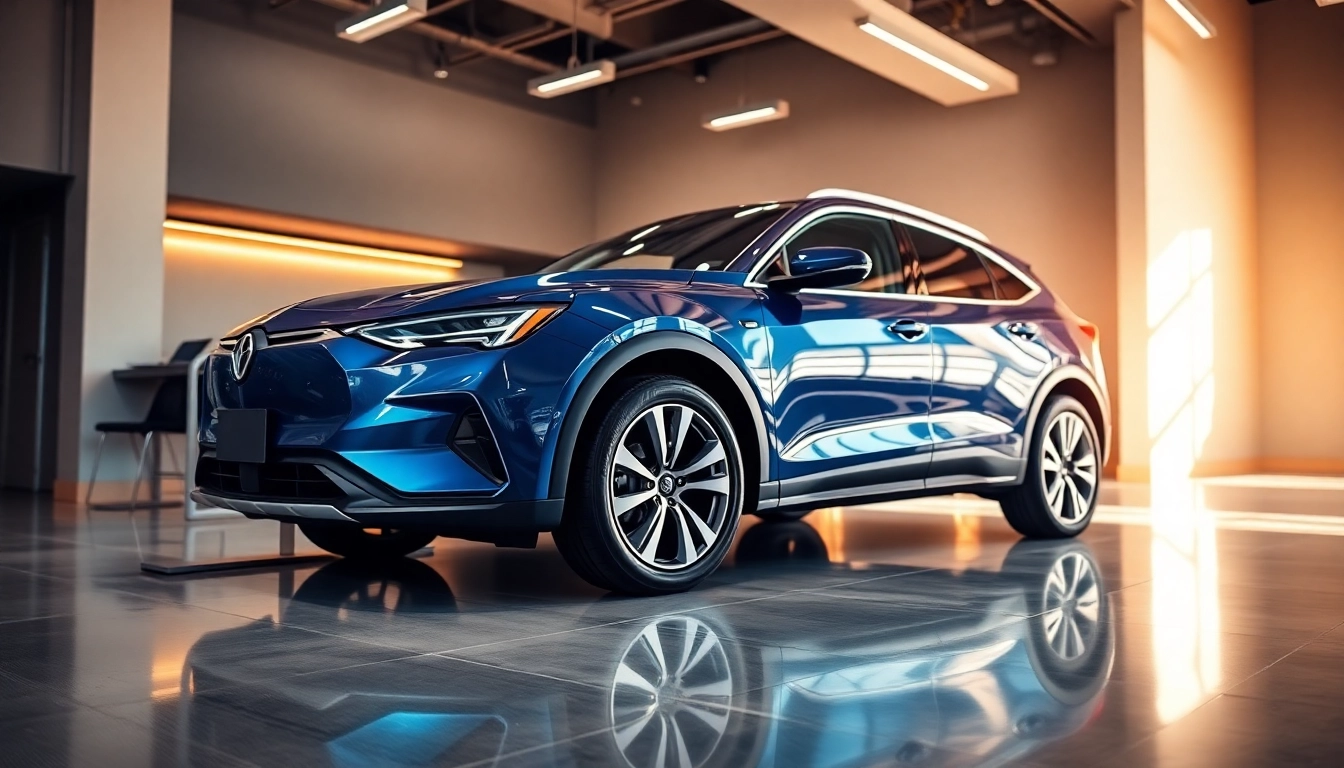
Understanding PPF Chattanooga
Protecting your vehicle’s aesthetic and structural integrity has become a priority for many car owners in Chattanooga. Among the various options available, PPF Chattanooga stands out as an effective solution. This article dives deep into what paint protection film (PPF) is, how it works to shield your vehicle, and why it is highly beneficial for car owners in the region.
What is Paint Protection Film?
Paint Protection Film (PPF) is a transparent, durable thermoplastic urethane film that is applied to a vehicle’s exterior surfaces to safeguard against scratches, chips, and other environmental damages. It serves as a barrier between the paint and the harmful elements that can affect its appearance and longevity. With advancements in technology, PPFs have evolved to offer self-healing properties, allowing minor scratches to disappear when exposed to heat.
How PPF Works to Protect Your Vehicle
PPF works through a unique combination of mechanical and chemical properties. When applied meticulously to the paint surface, it absorbs impacts from road debris, UV rays, and other environmental factors that could lead to deterioration. The film is designed to bond strongly with the vehicle’s paint, creating a seamless protective layer. Self-healing technology is particularly beneficial, as it allows the film to recover from minor scratches and swirls, maintaining the vehicle’s pristine look without the need for replacement.
Benefits of PPF Chattanooga for Car Owners
Investing in PPF Chattanooga offers numerous advantages for vehicle owners:
- Enhanced Resale Value: A car that’s well-maintained with PPF typically sustains a higher resale value due to its spotless exterior.
- Long-term Protection: PPF lasts several years, maintaining the vehicle’s appearance against wear and tear.
- Easy Maintenance: Vehicles with PPF require less frequent waxing and polishing, saving time and effort in upkeep.
- UV Protection: PPF shields the paint from the harmful effects of UV rays that can cause fading and discoloration.
- Customizability: PPF can be tailored to cover specific areas, such as hoods, fenders, and mirrors, based on personal preferences.
Choosing the Right PPF for Your Vehicle
Factors to Consider When Selecting PPF
When choosing PPF, several important factors should be taken into account:
- Thickness and Durability: Choose a film with appropriate thickness. Typically, a thickness of 6 mils provides a good balance of protection and flexibility.
- Self-Healing Properties: Opt for films that offer self-healing capabilities to ensure minor blemishes vanish over time.
- Clarity and Gloss: The film should be clear and enhance the vehicle’s paint rather than detract from it. Glossy finishes can enhance the car’s shine.
- Warranty: A longer warranty often reflects the manufacturer’s confidence in the product and its longevity.
Types of PPF Available in Chattanooga
Chattanooga residents have various options when it comes to PPF types, including:
- Standard PPF: This is the baseline offering that provides protection against minor abrasions and contaminants.
- Self-Healing PPF: Contains specialized technology that allows the film to ‘heal’ itself from minor scratches through heat exposure.
- Matte PPF: Ideal for maintaining a matte finish, offering protection without altering the vehicle’s unique look.
- Color Change PPF: Provides a wide array of color options while simultaneously protecting the underlying paint.
Comparing Brands and Quality
While choosing PPF, comparing different brands is crucial, as not all films are created equal. Look for reputable manufacturers recognized within the automotive film industry. Review factors such as customer feedback, performance attributes, ease of installation, and expert recommendations to ensure you are selecting a high-quality product.
Installation Process of PPF Chattanooga
Preparing Your Vehicle for Installation
Proper preparation is essential for effective PPF installation. Start by thoroughly washing your vehicle to eliminate dirt and grime. Pay special attention to the areas where the PPF will be applied, ensuring they are completely clear of contaminants. It is highly recommended to conduct the installation in a controlled environment free from dust and debris for optimal adhesion.
Step-by-Step Installation Guide
The installation process typically involves the following steps:
- Measurement and Cutting: Measure the sections requiring PPF and cut the film appropriately.
- Wet Application: Use a slip solution to wet the vehicle’s surface and the adhesive side of the film for easier positioning.
- Positioning: Carefully place the film onto the desired area, ensuring proper alignment.
- Squeegee Application: Use a squeegee to remove air bubbles and ensure contact between the film and the paint surface.
- Drying: Allow the film to cure for a specified period, as per the manufacturer’s instructions, for optimal adhesion.
DIY vs. Professional Installation
While DIY installation may save costs, professional installation provides several advantages, including access to specialized tools and expertise in handling the film. Professionals can ensure precise application without bubbles or misalignment, optimizing protection. Unless a car owner is experienced with automotive film application, opting for a professional service is generally advisable despite the additional cost.
Maintenance and Care for PPF
How to Maintain Your PPF Chattanooga
To maximize the lifespan of PPF, proper maintenance is vital. Regularly wash the treated areas using a pH-neutral soap and soft cloth to avoid damaging the film. Avoid automatic car washes with brushes that may scratch the surface. Also, periodically apply a ceramic coating to enhance protection and achieve a high-gloss finish.
Common Mistakes to Avoid
While maintaining PPF, car owners should avoid the following common pitfalls:
- Using Harsh Chemicals: Avoid strong detergents or chemicals that can deteriorate the film’s surface.
- Ignoring Damage: Address any significant scratches or cracks as soon as possible to prevent them from worsening.
- Over-Washing: Frequent washing, especially with aggressive methods, can lead to premature wear.
When to Replace Your PPF
Despite its durability, PPF will eventually require replacement. Signs to watch for include significant yellowing, peeling edges, or visible scratches that don’t recover through self-healing. Generally, if the film has served its purpose for around five to seven years, it’s wise to consider replacing it for continued protection and aesthetics.
FAQs About PPF Chattanooga
What are the cost factors for PPF?
The cost of PPF installation can vary based on film quality, vehicle size, and complexity of coverage. Typically, entire vehicle coverage will be more expensive than partial applications.
How long does PPF last?
Depending on the quality and care, PPF can last anywhere from five to seven years, providing long-term protection for your vehicle’s paint.
Can PPF be removed safely?
Yes, PPF can be safely removed without damaging the underlying paint. This should ideally be performed by professionals to ensure no surface damage occurs during the process.
Will PPF alter my vehicle’s color?
No, PPF is designed to be transparent and should not alter the original color of your vehicle’s paint. It enhances the finish instead.
Is a warranty included with PPF installation?
Many PPF products come with a warranty that covers issues such as yellowing, bubbling, and peeling. It’s recommended to check the specific warranty details before installation.