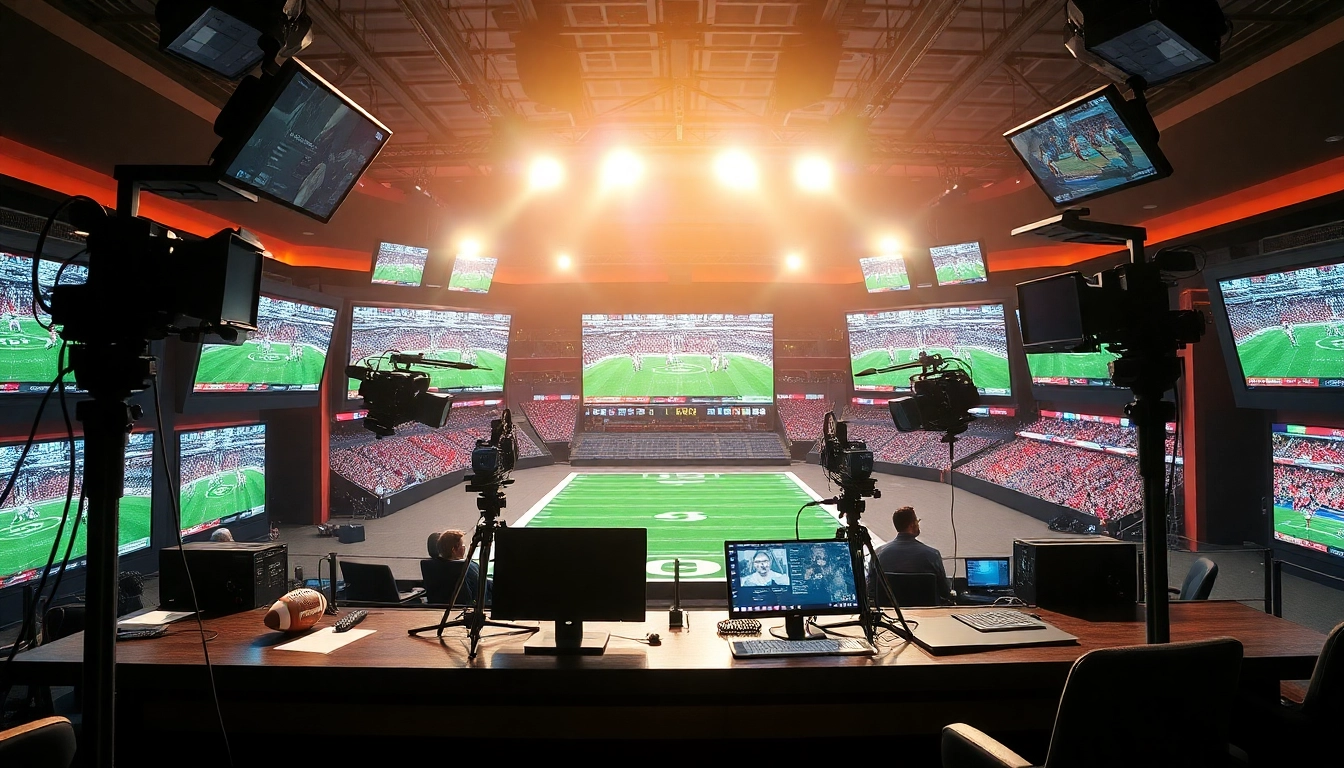
Understanding the Basics of Sports Broadcasting
Definition and Importance of Sports Broadcasting
Sports broadcasting involves the dissemination of live or recorded sports events to an audience via various media such as television, radio, and online platforms. It plays a crucial role in sports culture, creating a bridge between athletes and fans. This industry not only entertains millions but also drives significant revenue, influencing sponsorships, merchandise sales, and overall sports promotion. As such, mastering the art and science of Sports Broadcasting is essential for anyone looking to thrive within the sports ecosystem.
History and Evolution of Sports Broadcasting
The evolution of sports broadcasting can be traced back to the early 20th century when radio became a popular medium. The first major sports broadcast occurred in 1921, marking the beginning of a new era that forever changed how audiences consumed sports. As television emerged in the mid-20th century, sports broadcasting experienced astronomical growth. Landmark moments, such as the 1958 NFL Championship game, showcased the power of television to attract large audiences. Today, the landscape is dominated by streaming services and social media platforms, indicating a shift towards on-demand, multiple-screen viewing experiences.
Key Players in Sports Broadcasting
Numerous stakeholders contribute to the sports broadcasting ecosystem, including major television networks, cable providers, and streaming platforms. Sports leagues and teams also play vital roles, negotiating broadcasting rights that can reach billions in revenue. Moreover, sponsors and advertisers critically influence content and programming. Additionally, sports commentators, analysts, and production crews are essential players, crafting the engaging narratives and delivering the excitement that enhances the viewer experience.
Technologies Driving Sports Broadcasting
Broadcasting Equipment Essentials
Successful sports broadcasting hinges on advanced equipment and technology. Key components include cameras capable of high-definition and ultra-high-definition visuals, audio equipment for clear sound, and production tools for seamless transitions and graphics. Additionally, satellite trucks and fiber optics guarantee robust signal transmission, ensuring audiences receive high-quality broadcasts. An efficient broadcasting team utilizes this equipment to produce smooth, captivating live content that draws viewers into the action.
The Role of Streaming in Sports Broadcasting
The rise of digital streaming services has revolutionized how sports content is consumed. Services like ESPN+, FuboTV, and others offer viewers various live sports events without the need for traditional cable packages. This shift allows audiences to access worldwide sporting events flexibly and conveniently, fueling increased demand for niche sports and localized content. Furthermore, the integration of interactive features and real-time statistics elevates engagement during broadcasts, enhancing the viewing experience.
Emerging Technologies Impacting Sports Broadcasting
Innovations such as augmented reality (AR), virtual reality (VR), and artificial intelligence (AI) are beginning to make significant waves in sports broadcasting. AR and VR provide immersive experiences, allowing fans to feel as though they are part of the action or enjoy 360-degree highlights. AI assists in data analysis, viewer customization, and content delivery, making broadcasts more interactive and tailored to individual preferences. As these technologies evolve, they will continue to enhance fan engagement and redefine traditional broadcasting practices.
Content Creation in Sports Broadcasting
Crafting Engaging Broadcast Scripts
A well-crafted broadcast script can significantly elevate the viewer experience. Effective scripts incorporate storytelling elements, providing context and background that inform narratives in real-time. Establishing a clear structure and using informative language while maintaining excitement can draw viewers in. Good sports broadcasters balance facts with vivid descriptions, crafting commentary that resonates and engages audiences while retaining professional integrity.
Understanding the Audience for Sports Broadcasting
Knowing your audience is vital in sports broadcasting. Different demographics often have varied interests and preferences; understanding these nuances can bolster content relevance and audience loyalty. Utilizing surveys, social media feedback, and analytics can provide insights into what viewers crave and how they consume content. Tailoring commentary and segments that cater to these preferences enhances engagement and keeps viewers tuned in.
Best Practices for Live Commentary
Live commentary is a high-pressure environment that requires preparation and adaptability. Professional commentators should focus on clarity, accuracy, and real-time responsiveness while interacting with audiences. Techniques like using succinct descriptions, avoiding jargon, and maintaining an engaging tone are vital. Moreover, practicing improvisation and segment transitions can help commentators remain composed and relevant during dynamic broadcasts. Adopting these best practices can significantly improve the viewer’s live experience.
Marketing and Promotion in Sports Broadcasting
Building a Brand in Sports Broadcasting
Building a strong brand is essential for longevity in sports broadcasting. A recognizable brand helps establish trust and connection with viewers and sponsors alike. Consistency in messaging, visuals, and tone across platforms enables audience recognition. Additionally, engaging storytelling surrounding the brand helps create an emotional connection with fans, fostering loyalty and community support.
Utilizing Social Media for Engagement
Social media has become an indispensable tool for sports broadcasters. Platforms such as Twitter, Instagram, and TikTok foster real-time communication and interaction with audiences, making them instrumental in promotion and engagement. Sharing match highlights, behind-the-scenes content, and interactive polls creates momentum before and after events, broadening reach and attracting new viewers. Social media campaigns that resonate can amplify brand visibility and enhance audience loyalty.
Collaborations and Partnerships in Sports Broadcasting
Collaborations between broadcasters and various stakeholders can amplify reach and enhance content quality. Partnerships with brands, sports teams, and influencers can facilitate cross-promotional strategies and shared audiences. Joint events, contests, or special programming initiatives can foster community engagement and widen viewer bases. As sports broadcasting continues evolving, adaptable partnerships can create innovative content that enriches the viewer experience.
Measuring Success in Sports Broadcasting
Key Performance Indicators for Sports Broadcasting
Measuring success in sports broadcasting requires clearly defined key performance indicators (KPIs). Metrics such as viewership numbers, engagement rates, and social media interactions contribute valuable insights into performance. Additionally, analyzing advertising revenue and sponsorship deals provides financial perspectives on broadcasting success. Regularly reviewing these indicators ensures organizations can adapt strategies and enhance effectiveness in reaching audiences.
Analyzing Viewership and Engagement Metrics
Understanding viewer metrics is crucial for strategic adjustments in content delivery. Analyzing data such as average view duration, peak viewership times, and demographic breakdown offers insights into audience behavior. Recognizing trending sports events over time also aids in optimizing scheduling, content focus, and partnership opportunities. Leveraging this data drives improvements in viewer retention and overall broadcast effectiveness.
Adapting Strategies Based on Performance Data
Successful sports broadcasting is all about adaptability. Regularly assessing performance data allows organizations to pivot strategies according to audience preferences, real-time analytics, and engagement levels. Implementing feedback loops where viewer input shapes programming ensures responsiveness to viewer needs. Continually refining approaches based on data can help broadcasters maintain relevance and excitement, encouraging deeper connections with audiences.
FAQs
What skills are essential for sports broadcasting?
Essential skills include strong communication, in-depth sports knowledge, and confidence on-air. These abilities help convey information effectively and engage viewers.
How has technology impacted sports broadcasting?
Technology has enhanced viewer experience through high-definition visuals, interactive elements, and real-time analytics, keeping audiences engaged during broadcasts.
What is the future of sports broadcasting?
The future is focusing on personalized content and immersive experiences through AR and VR, transforming how fans interact with sports broadcasts.
How can I improve my sports commentary?
Practice regularly, study successful commentators, and understand audience preferences. This approach can refine commentary style and enhance viewer connection.
What are the common challenges in sports broadcasting?
Challenges include tight deadlines, unexpected events, and balancing accuracy with storytelling, which require a versatile and adept approach to broadcasting.