
Understanding the Fundamentals of Sports Massage
Sports massage is not just a luxury for athletes; it’s an essential part of maintaining physical health and optimizing performance. By focusing on the needs of athletes and active individuals, sports massage aids in recovery, enhances mobility, and helps prevent injuries. This specialized therapy employs various techniques designed to address muscle tension and facilitate recovery from both training and competition stresses. Whether you’re a seasoned athlete or a fitness enthusiast, understanding the significance of sports massage is crucial for achieving optimal physical health. When exploring options, the Sports massage course offers comprehensive insights into this specialized field.
What Is Sports Massage and Its Importance?
Sports massage refers to a variety of massage techniques specifically designed for athletes and those engaging in physical activity. It focuses on preventing and treating injuries and enhancing athletes’ performance. The primary goal of sports massage is to prepare the body for physical exertion, reduce muscle soreness post-exercise, and maintain flexibility and overall health, making it a vital component for anyone involved in sports.
Key Techniques in Sports Massage
Various techniques are employed in sports massage, each tailored to specific needs and conditions. Some of the key techniques include:
- Effleurage: A light stroke that warms up the muscles and prepares them for deeper work.
- Petrissage: Involves kneading and squeezing to relieve tension and improve circulation.
- Friction: Used to target deep muscle tenses and adhesions by applying pressure in circular motions.
- Compression: Involves pressing into muscle tissue to promote blood flow and aid recovery.
- Stretching: Enhances flexibility and recovery by lengthening tight muscles.
Common Misconceptions About Sports Massage
Despite its benefits, there are several misconceptions about sports massage that can deter individuals from seeking treatment. One of the most common beliefs is that sports massage is exclusively for professional athletes. In reality, anyone who is physically active can benefit from sports massage techniques, regardless of their level of fitness. Another misconception is that sports massage is always painful; in fact, it should be a comfortable and relaxing experience tailored to the individual’s threshold for pressure.
Core Components of the Sports Massage Course
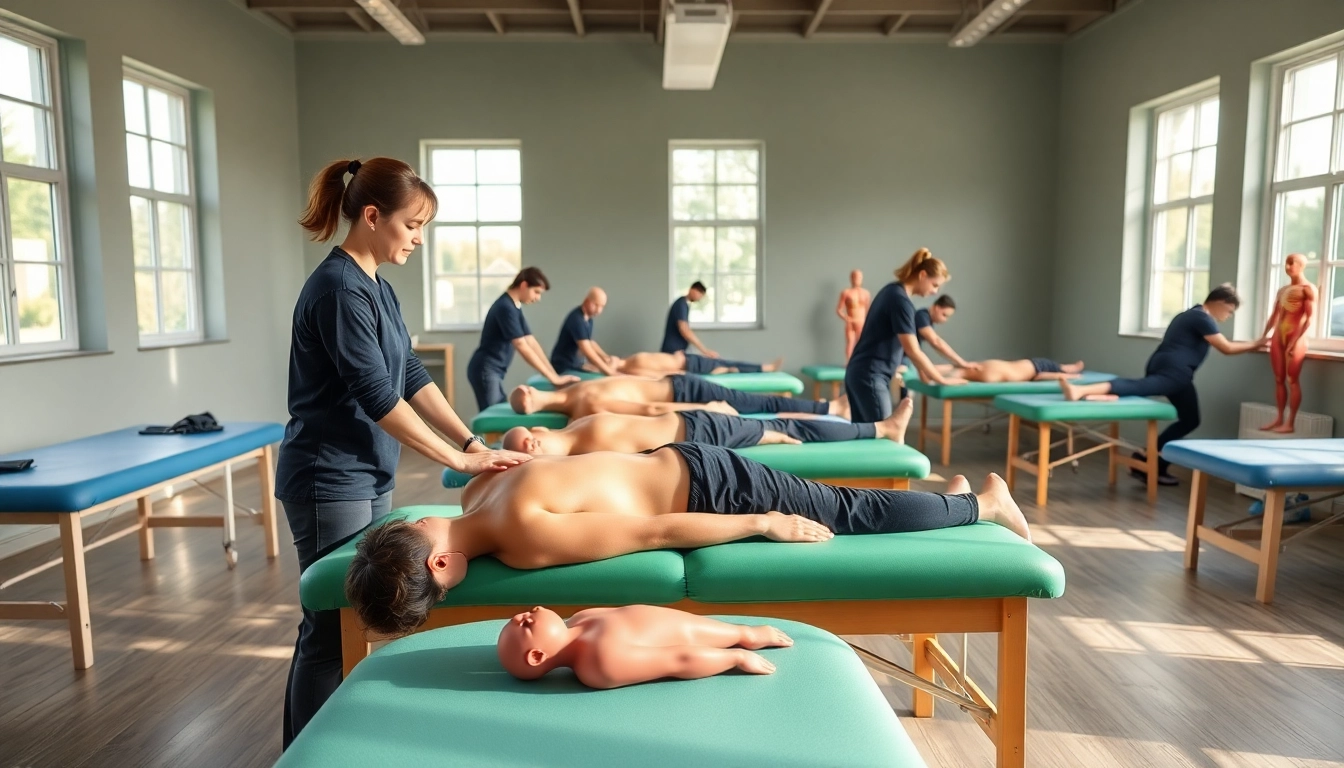
Enrolling in a Sports Massage Course is an excellent way for aspiring therapists or fitness professionals to deepen their understanding of this therapeutic practice. Courses typically cover a range of topics essential for practical application in real-world settings.
Course Structure and Content Overview
A comprehensive Sports Massage Course often includes theoretical lessons complemented by extensive hands-on practice. Key components typically covered are:
- Fundamentals of anatomy and physiology related to sports massage.
- Assessment techniques to identify the specific needs of athletes.
- Practical application of massage techniques specific to sports recovery.
- Understanding of injury prevention and rehabilitation protocols.
Prerequisites for Enrolling in the Course
While many courses may have certain prerequisites, they often welcome individuals from various backgrounds. A basic understanding of human anatomy is beneficial, but many programs offer entry-level options for complete beginners as well. Aspiring massage therapists and sports trainers will find that any previous experience in health, fitness, or therapy can enhance their understanding and performance in the course.
Learning Outcomes and Practical Applications
Graduates of a Sports Massage Course will leave with a well-rounded skill set. Specific outcomes may include:
- The ability to assess muscular tension and related issues effectively.
- Competency in various massage techniques tailored to the athlete’s needs.
- Understanding of how to use massage as part of a holistic approach to athletic training.
- Knowledge of relevant anatomy that informs effective treatment strategies.
Benefits of Completing a Sports Massage Course
Completing a Sports Massage Course opens up a myriad of opportunities for professional development and skill enhancement.
Enhancing Athletic Performance Through Massage
Massage therapy can significantly enhance athletic performance by optimizing muscle function, enhancing flexibility, and promoting faster recovery. Athletes who regularly engage in massage therapy often report improved performance metrics, reduced recovery times, and greater overall satisfaction with their training.
Long-Term Career Opportunities for Graduates
Aside from practical skill enhancement, a Sports Massage Course can lead to diverse career opportunities. Graduates may find positions in:
- Sports teams and clubs.
- Rehabilitation centers focusing on injury recovery.
- Fitness centers offering wellness services.
- Self-employment or independent practice.
Real-World Case Studies of Successful Practitioners
Many successful sports massage therapists share inspiring stories of their careers, showcasing how their training impacted their paths. For instance, a therapist who started in a local gym may now work with a national sports team, demonstrating that dedication to continuous learning and practical application can significantly enhance one’s career trajectory.
Advanced Techniques in Sports Massage Training
As the field of sports massage evolves, so too do the techniques and methodologies employed within training courses. Understanding advanced techniques can set therapists apart in the competitive landscape.
Incorporating Myofascial Release and Trigger Point Therapy
Advanced training often includes myofascial release and trigger point therapy. These techniques target specific areas of tension, allowing for deeper relief and recovery. Understanding how to incorporate these methods effectively can greatly improve treatment outcomes for clients.
Utilizing Kinetic Chain Assessment in Practice
Assessment of the kinetic chain is crucial for identifying how various parts of the body work together. Training in this area equips practitioners with the skills to address not just symptoms but also the underlying issues causing pain or dysfunction.
Integrating Rehabilitation Protocols Through Massage
Integrating rehabilitation protocols into sports massage practices is vital for effective treatment. Therapists trained in rehabilitation strategies can provide a more comprehensive service, especially for clients recovering from injuries.
Future Trends in Sports Massage Education for 2026
The field of sports massage continues to evolve, with new research shaping educational approaches and therapeutic techniques.
Technological Innovations in Massage Therapy Training
Advancements in technology are enhancing the way massage therapy is taught. From virtual simulations that demonstrate techniques to online learning platforms offering flexible education, these innovations are making training more accessible and interactive.
Emerging Research and Its Impact on Sports Massage Techniques
Ongoing research into muscle physiology, injury recovery, and ergonomic techniques is informing best practices within sports massage. Staying updated with the latest research helps practitioners improve their effectiveness and adapt to new trends in therapy.
Preparing for the Evolving Landscape of Sports Therapy
As the landscape of sports therapy continues to change, practitioners must be agile and ready to adapt. This involves not only mastering current techniques but also being open to new ideas and evidence-based practices that emerge in response to athlete needs.