
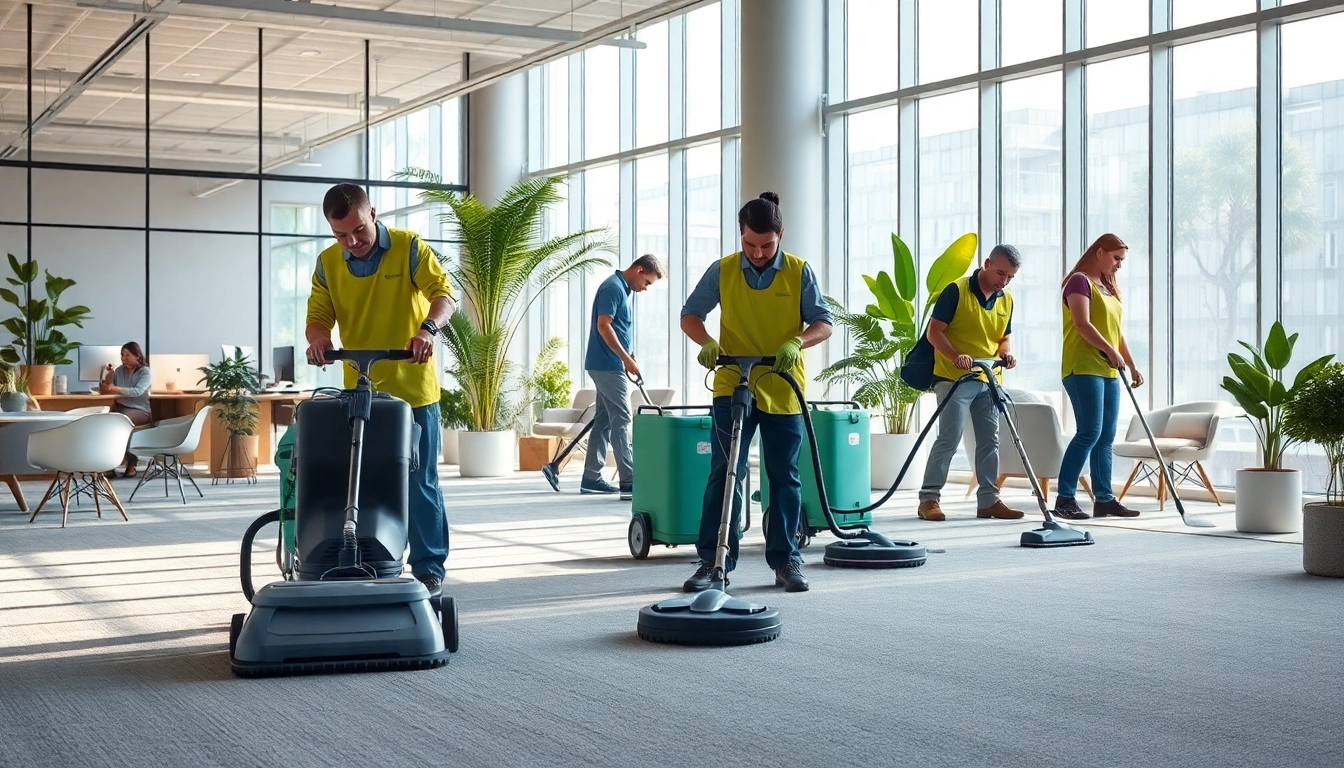
Understanding Commercial Carpet Cleaning
What is Commercial Carpet Cleaning?
Commercial carpet cleaning involves the expert cleaning of carpets in a business environment to eliminate dirt, stains, and allergens, thus promoting a healthier workspace. This procedure is crucial for maintaining a clean and professional appearance, which can significantly influence client perceptions and employee satisfaction.
The Importance of Regular Cleaning
Regular maintenance of carpets is paramount for businesses. Over time, carpets accumulate dust, allergens, and dirt, which can affect indoor air quality and contribute to health issues among staff. Additionally, a well-maintained carpet enhances the aesthetic appeal of a space, demonstrating business professionalism. To preserve carpet longevity, a schedule for commercial carpet cleaning can result in cost savings related to preventative care, rather than waiting until the carpet necessitates replacement.
Different Methods of Carpet Cleaning
There are several approaches to carpet cleaning, and the choice of method can depend on carpet type, stain characteristics, and the level of cleaning required. The most common methods include:
- Steam Cleaning: Also known as hot water extraction, this method uses heated water mixed with cleaning agents that is injected into the carpet fibers and then extracted, effectively removing dirt and allergens.
- Dry Cleaning: This method uses specialized chemicals to break down dirt, which is then absorbed by a powder and vacuumed away. It requires no drying time, making it a convenient option for busy businesses.
- Bonnet Cleaning: This low-moisture method involves cleaning the carpet surface with a rotating absorbent pad. It’s ideal for surface maintenance but may not penetrate deeply enough for thorough cleaning.
- Encapsulation: A newer technology that uses synthetic detergents that crystallize dirt into powder. This method is efficient and minimizes drying time.
Choosing the Right Carpet Cleaning Service
Factors to Consider When Hiring
Selecting a carpet cleaning service is vital for achieving the desired results. Consider the following factors:
- Experience and Reputation: Look for companies with extensive experience and positive customer reviews. Testimonials can provide insight into service quality.
- Cleaning Techniques: Ensure the company utilizes effective methods that are suitable for your specific carpet type.
- Certification: Verify that the company holds certifications from recognized organizations, indicating a commitment to quality.
- Insurance and Guarantees: A reputable service should have insurance to cover any potential damages, along with satisfaction guarantees.
Questions to Ask Potential Services
Before hiring a carpet cleaning service, it’s essential to ask several questions to gauge their suitability:
- What cleaning methods do you recommend for my carpet type?
- Can you provide references or case studies from similar businesses?
- What is the expected drying time after cleaning?
- Do you charge a flat rate or hourly rate, and are there any additional fees?
Evaluating Service Quality and Reliability
Assess the service quality by asking for sample reports from previous jobs, if available. Reliable services often conduct thorough pre-inspections of the carpet to identify problem areas and potential challenges. Post-cleaning follow-up and customer support are also indicators of a service’s commitment to excellence.
DIY vs. Professional Commercial Carpet Cleaning
Benefits of Professional Services
While DIY cleaning is a feasible option for some businesses, professional carpet cleaning offers significant benefits:
- Expertise: Professionals are trained in the best practices and have access to specialized tools and products that can achieve superior results.
- Time Savings: Outsourcing cleaning tasks allows employees to focus on business operations rather than cleaning.
- Deep Cleaning: Professionals can access deep-rooted dirt and allergens that standard cleaning methods may miss.
When to Consider DIY Cleaning
DIY cleaning may be appropriate for minor stains or routine maintenance, especially in low-traffic areas. Utilizing a home carpet cleaner or steam mop can be an effective solution when the need for quick cleaning arises. It can also be economically advantageous if the carpet care needs are infrequent.
Cautions and Potential Issues
There are potential hazards in DIY carpet cleaning, including:
- Improper Techniques: Lacking experience can lead to damage or staining if the wrong cleaning method is applied.
- Inadequate Cleaning: DIY methods might only address surface dirt, leaving deep-seated allergens and bacteria unhindered.
- Time Consumption: DIY cleaning can require substantial time investment, which might detract from other core business activities.
Best Practices for Maintaining Clean Carpets
Regular Maintenance Tips
Implementing the following maintenance routines can significantly extend carpet life and appearance:
- Frequent Vacuuming: Regular vacuuming helps remove dirt and debris before they become embedded in the fibers.
- Area Mats: Utilize mats at entrances to trap dirt and moisture from shoes.
- Professional Inspections: Schedule annual inspections to identify potential issues early on.
Implementing Preventative Measures
Preventative measures can help keep carpets in pristine condition. These include applying protective treatments to resist stains, and encouraging a no-shoes policy within the office to reduce dirt buildup. Regularly rearranging furniture can also aid in even wear.
How to Handle Stains Immediately
Immediate action is critical in minimizing stain damage. Here are steps to take:
- Blot, don’t rub, to absorb as much liquid as possible.
- Use a suitable cleaning solution based on the stain type, applying it sparingly.
- Rinse and then blot again, ensuring to remove as much residual cleaner as possible to avoid re-soiling.
Evaluating the Effectiveness of Cleaning
Measuring Performance Metrics
To determine the effectiveness of carpet cleaning, consider performance metrics such as soil visibility, stain removal percentage, and drying time. Collecting feedback from staff about comfort and air quality can also provide qualitative data on effectiveness.
Analyzing Cost vs. Benefit
Analyzing the cost of cleaning against the benefits derived—such as improved aesthetics, enhanced durability, and tenant retention—is essential. Conduct a thorough breakdown of cleaning costs versus potential losses from neglecting carpet maintenance, such as deterioration leading to replacement.
Continual Improvement Strategies
Look for ways to implement continual improvement in carpet maintenance strategies. This may include regular training for employees on proper cleaning protocols and the introduction of new cleaning technology and methods over time, ensuring high standards are consistently maintained.
FAQs
What is commercial carpet cleaning?
Commercial carpet cleaning refers to the professional cleaning of carpets in business environments, ensuring cleanliness and longevity.
How often should I clean my carpets?
It’s recommended to clean commercial carpets at least once every six months, depending on foot traffic and usage.
What methods are used for carpet cleaning?
Common methods include steam cleaning, dry cleaning, and hot water extraction, each with unique benefits.
Can I clean my carpets myself?
While DIY is possible, professional services often achieve superior results and save time in the long run.
How do I maintain my carpets post-cleaning?
Implement regular vacuuming and spot cleaning, and consider protective treatments to help maintain cleanliness.