
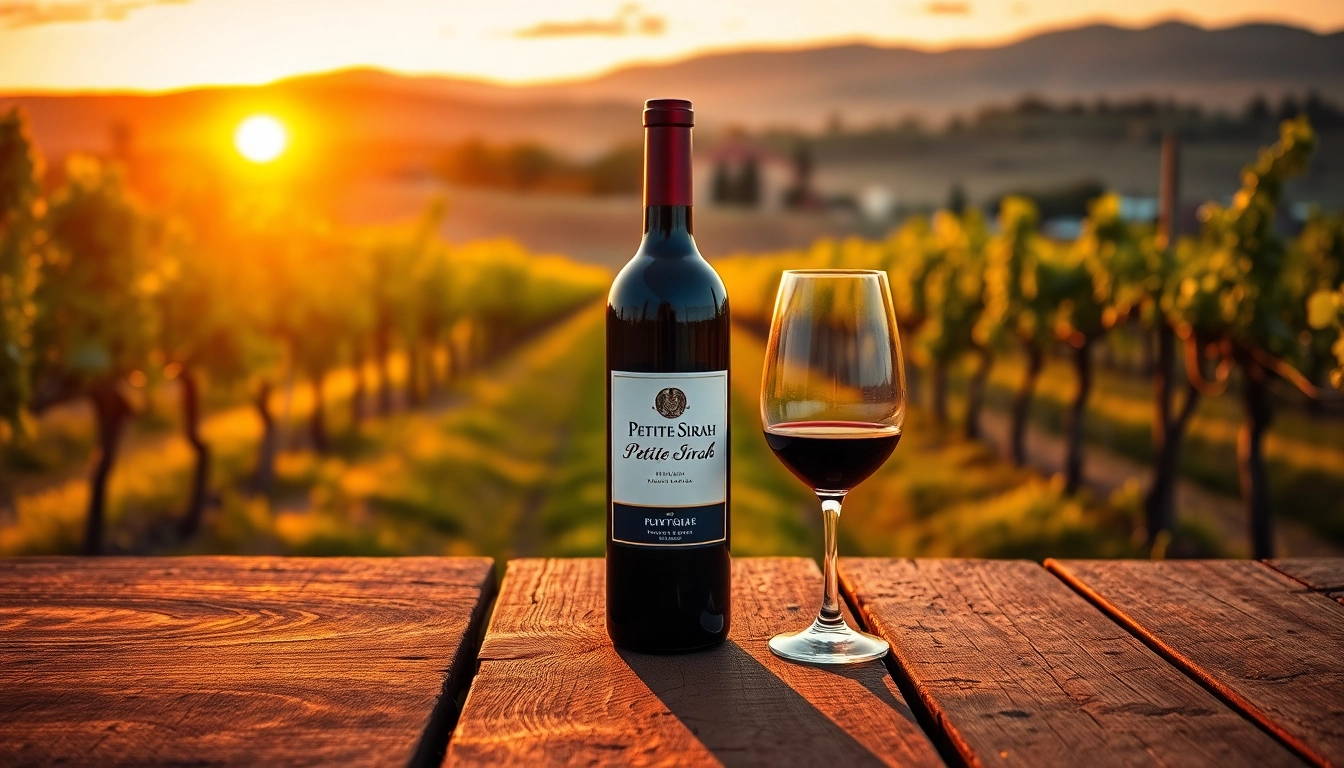
Introduction to Petite Sirah
Among the diverse range of red wines available, petite sirah holds a unique place in the wine enthusiast’s lexicon. Known for its deep color, robust flavor profile, and ageability, this varietal is gaining increasing attention from wine lovers around the world. This article will explore the intricacies of petite sirah, including its origins, flavor characteristics, and ideal food pairings, offering a comprehensive guide for anyone looking to delve deeper into this fascinating wine.
What is Petite Sirah?
Petite sirah, a lesser-known grape variety, is primarily grown in California. It is recognized for its bold taste and rich tannins, making it a preferred choice among fans of robust red wines. The grape can produce full-bodied wines with a rich mouthfeel, often showcasing deep, dark fruit flavors. Unlike more established varietals like Cabernet Sauvignon or Merlot, petite sirah tends to be more niche, but its unique characteristics are worth exploring for those looking to expand their palate.
Origins and History of Petite Sirah
Petite sirah originated from France, where it was known as Durif, a cross between Syrah and the now-extinct Peloursin grape. This grape found its way to California in the late 19th century, where it thrived in the warm climates and well-drained soils, leading to its popularity in the region. While it was once commonly used as a blending grape to enhance and fortify other wines, more recently, vintners have begun to recognize its potential as a single varietal wine, celebrating its distinctive flavors and aromas.
Characteristics of Petite Sirah
The petite sirah grape is characterized by its thick skin and small berry size, attributes that contribute to its deep color and tannin structure. The resulting wines often exhibit a high level of acidity, which helps balance the robust flavors associated with this varietal. Typically, a petite sirah wine is deep purple to inky black, with rich flavors of blackberry, blueberry, and plum, often accompanied by hints of black pepper, spice, and chocolate, making it a complex and delicious choice for consumers.
Flavor Profile and Aroma
Tasting Notes of Petite Sirah
When assessing the tasting notes of petite sirah, one would immediately notice its advanced, jammy fruit forwardness. On the palate, it can reveal layer upon layer of complexity with flavors of dark blueberries, blackberries, and plums, often layered with hints of vanilla and cocoa from oak aging. The tannins are firm yet velvety, making this wine both approachable and age-worthy.
Aroma Characteristics
The wine’s aroma is just as compelling. Upon swirling, you’ll find a bouquet filled with dark fruit notes complemented by fragrant elements of licorice, toasted oak, and spices. The interplay of these aromas can include floral hints reminiscent of violets, showcasing the grape’s complexity, and enhancing the overall drinking experience.
How Climate Affects Flavor
The climate in which petite sirah grapes are grown significantly impacts their flavor profile. Warm climates result in grapes that are more ripe and concentrated, which in turn leads to richer flavors and higher alcohol content. Regions like California’s Paso Robles and Napa Valley provide the perfect blend of sunshine and cool evenings, allowing the grapes to develop their full potential. In cooler climates, the grapes showcase more acidity and fruitiness, leading to a different but equally engaging experience.
Food Pairing Suggestions
Best Dishes to Pair with Petite Sirah
When it comes to pairing petite sirah, the full-bodied nature of the wine calls for equally robust food options. Grilled lamb chops, barbecued ribs, or hearty beef stews work exceptionally well, as the wine’s bold flavors complement the savory elements of these dishes. Additionally, dishes featuring rich, dark sauces enhance the wine’s tannins and create a balanced palate experience.
Cheese and Charcuterie Combinations
Pairing petite sirah with cheese and charcuterie can elevate your tasting experience. Aged Cheddar or Gouda offers a delicious counterbalance to the wine’s richness. Similarly, cured meats, such as prosciutto or salami, can bring out different flavor notes in the wine, creating a harmonious tasting experience that highlights the individuality of petite sirah.
Vegetarian Options for Petite Sirah Fans
Vegetarian dishes can also pair beautifully with petite sirah. Consider robust flavors like roasted mushrooms, eggplant Parmesan, or dishes featuring lentils and spices that enhance the wine’s complexity. A ratatouille or a rich vegetable stew can effectively complement the wine, showcasing its smoky and spicy undertones while appealing to non-meat eaters.
Winemaking Process
Harvesting Petite Sirah Grapes
The winemaking process for petite sirah begins with harvesting grapes at the right time. This process usually occurs late in the growing season, often in late September to October, when the grapes have reached optimal ripeness. Careful hand-harvesting ensures that only the best grapes are selected, preserving the quality and vibrancy of the final wine.
Fermentation Techniques
Once harvested, the grapes undergo fermentation, which is critical to developing the wine’s flavor. Winemakers typically use both indigenous yeasts and cultivated yeasts, allowing for a unique fermentation profile. The fermentation temperature is meticulously controlled to enhance the extraction of color and tannins while preserving the aromatic compounds found in the grapes.
Aging and Bottling Procedures
Following fermentation, the wine is aged in oak barrels, which serves to soften the tannins and add complexity through oxidation and the influence of the barrel. Aging can vary from several months to a few years, depending on the desired end product. Finally, after the wine has matured, it is filtered and bottled, ready to be enjoyed by enthusiasts around the world.
Frequently Asked Questions about Petite Sirah
1. What is the ideal serving temperature for petite sirah?
Petite sirah is best served slightly below room temperature, around 60-65°F (15-18°C), allowing the flavors to express fully without being masked by excessive warmth.
2. How long can petite sirah be aged?
Under ideal conditions, petite sirah can be aged for 5 to 15 years. It tends to improve with age, gaining complexity and smoothness over time.
3. What is the best way to store petite sirah wine?
Store petite sirah bottles on their sides in a cool, dark place with a consistent temperature (ideally around 55°F or 13°C). Avoid direct sunlight and vibrations to preserve quality.
4. Is petite sirah sweet or dry?
Petite sirah is typically a dry red wine with rich tannins and fruity flavors. It is not sweet in taste, making it versatile for various food pairings.
5. Can petite sirah be enjoyed outside of traditional pairings?
Absolutely! While it pairs well with robust dishes, petite sirah’s complexity allows it to be enjoyed with a variety of foods, including spicy Asian dishes and rich pasta sauces.