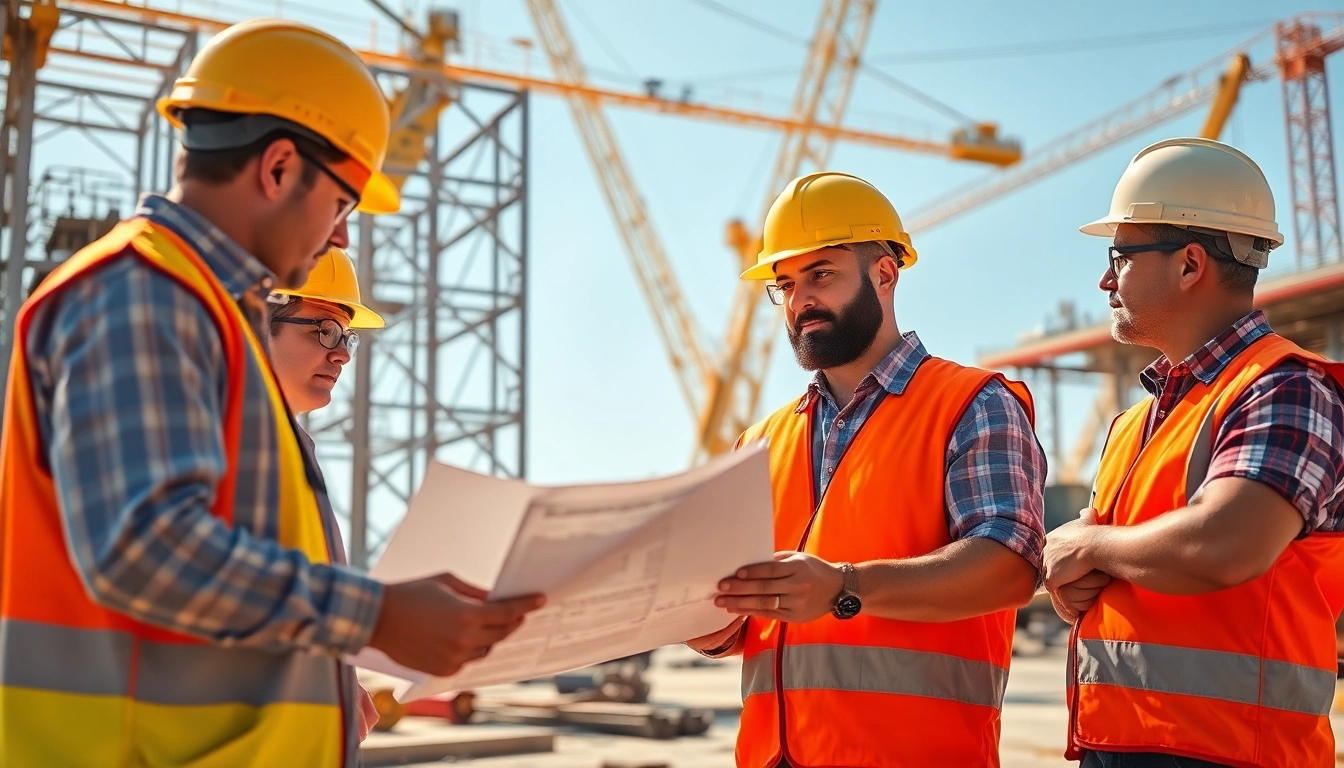
Understanding the Landscape of Carolina Construction News
The construction industry in the Carolinas is experiencing a dynamic evolution, marked by shifting trends, regulatory changes, and innovative practices. This sector’s vitality not only impacts economic growth but also shapes community development. Carolina construction news serves as a vital resource for understanding these shifts and their implications.
Key Trends Shaping the Construction Industry
The construction landscape in the Carolinas is influenced by several key trends that reflect broader national movements. Among these, sustainability, prefabrication, and digitization stand out. Growing concerns regarding environmental impacts are driving the shift towards green building practices, which advocate for energy efficiency and sustainable materials.
Moreover, prefabrication is gaining traction, allowing for quicker construction timelines and reduced waste. This method involves assembling components in controlled environments before transporting them to the job site. Digital technology, especially Building Information Modeling (BIM), is revolutionizing project management by enabling real-time updates and collaboration among stakeholders.
Impact of Regulations on Construction Projects
Regulatory frameworks significantly influence construction undertakings in the Carolinas. Local building codes, safety regulations, and environmental policies play crucial roles in project design and execution. Recent updates to codes reflect the increasing emphasis on safety and environmental impact, compelling builders to adapt their practices.
Furthermore, zoning laws dictate land use, which can either facilitate or hinder development. Understanding these regulations is essential for developers aiming to navigate the complex landscape of construction approvals, ensuring compliance while maximizing project potential.
Major Upcoming Developments in Carolina
The Carolinas are poised for significant developments that promise to reshape local economies and infrastructure. Notable projects include large-scale residential communities, commercial complex developments, and public infrastructure upgrades. These projects not only create job opportunities but also enhance community amenities.
For instance, a new transit system in Charlotte is set to improve connectivity, subsequently supporting local businesses and reducing traffic congestion. Keeping abreast of these developments is crucial for stakeholders, as they present opportunities for investment and collaboration.
Innovative Techniques in Carolina Construction
As the construction landscape evolves, embracing innovative techniques is paramount for thriving in a competitive market. The Carolinas are championing advancements that not only improve efficiency but also promote sustainability.
Embracing Sustainable Building Practices
Sustainability is no longer an option; it has become a necessity in construction practices. The Carolinas are increasingly adopting LEED (Leadership in Energy and Environmental Design) certification standards, which guide projects towards energy efficiency and the reduction of their carbon footprint.
Implementing sustainable practices includes using recycled materials, enhancing energy performance, and incorporating renewable energy sources such as solar panels. Builders are finding that investing in these practices leads to long-term savings and more attractive properties for environmentally-conscious buyers.
Technological Advancements Driving Change
Technological innovations are redefining how construction projects are planned and managed. From the use of drones for site surveys to the implementation of advanced project management software, technology streamlines processes and enhances accuracy.
For example, Virtual Reality (VR) and Augmented Reality (AR) are increasingly utilized for visualizing projects before construction, helping stakeholders make informed decisions. Tracking progress through RFID technology ensures effective resource management on-site, leading to reduced costs and improved timelines.
Case Studies of Successful Projects
Examining successful projects can provide valuable insights into best practices and innovative approaches. In recent years, several projects in the Carolinas have highlighted effective collaboration, sustainable practices, and technological integration.
A standout example is the revitalization of urban areas in Greenville, where a mixed-use development successfully integrated green spaces within its design. Not only did this improve the quality of life for residents, but it also attracted tourism, underscoring the potential benefits of thoughtful construction.
The Role of Local Government in Construction News
Local governments are pivotal players in the construction industry, with policies and decisions affecting various aspects of project development. Understanding their role is essential for stakeholders aiming to navigate the sector effectively.
Policy Changes Affecting the Industry
Frequent policy changes can impact construction timelines and costs significantly. Recent adjustments to funding allocations for public infrastructure highlight the government’s response to evolving community needs, emphasizing transparency and public involvement.
Builders must stay informed about these changes, as compliance can be the determining factor between project success and project delays. Engaging with policymakers can lead to smoother implementation of projects and community support.
Community Feedback and Involvement
Community feedback plays a vital role in shaping construction projects. Engaging local communities in the planning phase not only fosters goodwill but also ensures that projects meet the actual needs of residents.
Incorporating community input has shown to enhance the acceptance and success rates of projects. Regular town hall meetings and surveys are effective methods for gathering feedback and facilitating meaningful discussions around proposed developments.
Funding Opportunities for Builders
Local governments often provide various funding opportunities, including grants and tax incentives, to encourage development. Understanding these financial resources is crucial for builders seeking to offset project costs.
Additionally, public-private partnerships have gained popularity, allowing for shared risk and investment, thus creating a more robust economic environment for construction ventures. Builders are encouraged to explore these opportunities to secure funds for their projects.
Challenges Facing Carolina’s Construction Projects
Despite the opportunities that lie ahead, the construction industry in the Carolinas faces several challenges that can hinder progress. Awareness and proactive strategies can mitigate these challenges, ensuring continued growth and success in the sector.
Labor Shortages and Skill Gaps
A significant challenge for the construction industry is the persistent labor shortage. Many skilled tradespeople are nearing retirement, and the gap is not being immediately filled by younger workers entering the workforce. This skill gap threatens project timelines and quality standards.
To combat this, industry stakeholders must prioritize training and apprenticeship programs, collaborating with educational institutions to cultivate a new generation of skilled laborers who are well-equipped to meet industry demands.
Material Supply Chain Issues
The COVID-19 pandemic highlighted vulnerabilities in global supply chains, affecting the availability of construction materials. Prices have soared, and delays in delivery can cause project overruns.
Contractors should diversify their supplier base and explore local sourcing options, enabling quicker turnaround times and mitigating risks of future supply disruptions. Maintaining open lines of communication with suppliers can also foster collaborative problem-solving.
Weather-Related Delays and Solutions
Weather-related delays are a perennial concern in the Carolinas, where hurricanes and severe storms can disrupt timelines. Builders must develop comprehensive contingency plans that include buffer periods in scheduling and alternative sourcing of materials.
Investing in weather-resistant construction techniques can also bolster the resilience of structures, ultimately safeguarding capital investments against natural disasters.
Future Prospects for Carolina Construction
The outlook for the construction industry in the Carolinas remains promising, bolstered by innovative practices and a commitment to growth. Continued adaptation to emerging trends and challenges will position the region as a leader in construction.
Predictions for Market Growth
Market analysts predict steady growth in the Carolinas’ construction sector, driven by a focus on sustainability and community-oriented projects. With a growing population and urbanization trends, demand for housing and infrastructure will likely remain robust.
Investing in smart technologies will further enhance competitiveness, allowing builders to streamline processes and lower costs while meeting higher consumer expectations.
Long-Term Sustainability Goals
The Carolinas are making strides towards long-term sustainability goals, with a clear focus on energy efficiency and waste reduction across construction practices. These initiatives align with national objectives to combat climate change, reinforcing the region’s commitment to sustainable development.
Stakeholders are encouraged to adopt holistic sustainability practices that encompass not only energy-efficient designs but also social equity and economic viability, ensuring a balanced approach to growth.
Preparing for the Next Generation of Builders
Lastly, as the industry evolves, it is essential to focus on preparing the next generation of builders. Educational institutions must collaborate with industry leaders, offering relevant courses and training programs that align with current and future industry demands.
This initiative will not only address the labor shortage but also ensure that new entrants are equipped with skills in emerging technologies and sustainable practices, fostering innovation within the construction sector.
Frequently Asked Questions
What are the current trends in Carolina construction?
The current trends include sustainability, prefabrication, and digital technology adoption, focusing on efficiency and environmental responsibility.
How is local government affecting construction projects?
Local government policies, including regulations and funding, significantly impact project approvals and financing opportunities in the construction sector.
What challenges does Carolina construction face today?
Challenges include labor shortages, material supply chain issues, and weather-related delays, impacting project timelines and costs.
What is the future outlook for construction in the Carolinas?
The outlook remains positive, with expected growth driven by increasing demand, sustainability efforts, and technological innovation.
How can builders prepare for weather-related delays?
Builders can prepare by developing contingency plans, investing in weather-resistant techniques, and establishing buffer periods in construction schedules.