Understanding Construction Advocacy
What is Construction Advocacy?
Construction advocacy refers to the organized effort by individuals or groups to influence policies and practices within the construction sector. It involves promoting best practices, ensuring compliance with regulations, and fostering relationships among various stakeholders including contractors, government officials, and community members. Effective construction advocacy not only focuses on builders but also emphasizes safety, sustainability, and community impact. This holistic approach is crucial for establishing a construction landscape that benefits all parties involved. For more insights on how to champion effective construction initiatives, the role of construction advocacy is critical.
Importance of Construction Advocacy in Communities
The significance of construction advocacy extends beyond the construction site; it permeates through communities and local economies. Effective advocacy helps to ensure that construction projects align with community needs, enhance safety standards, and promote sustainable practices. Furthermore, advocates play a pivotal role in voicing community concerns about new developments, ensuring that voices are heard, and interests are represented. By fostering engagement and collaboration, construction advocacy works to bridge the gaps between developers and locals, ultimately leading to projects that reflect the desires and needs of the community.
Key Stakeholders in Construction Advocacy
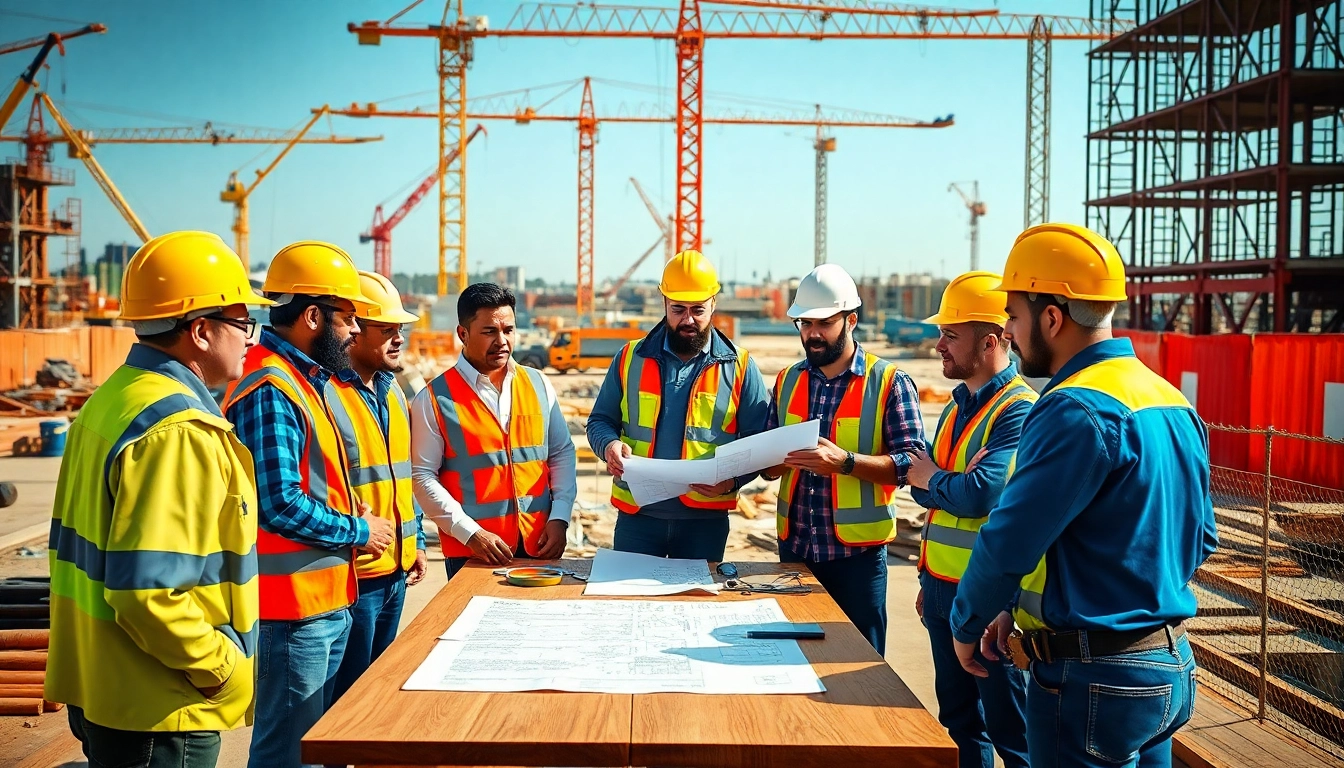
Identifying stakeholders is essential in construction advocacy. Key players typically include:
- Contractors and Builders: Those directly involved in the construction process who must adhere to regulations and standards.
- Government Officials: Representatives who influence policies and permit approvals, ensuring that regulations are enforced.
- Community Organizations: Groups advocating for community interests, ensuring that development aligns with local needs.
- Architects and Engineers: Professionals who design projects and ensure they are feasible and compliant with regulations.
- Civic Groups: Local organizations that represent the interests of residents and advocate for community-rights considerations in construction.
Challenges in Construction Advocacy
Common Obstacles Faced by Advocates
Construction advocacy is not without its challenges. Advocates often face numerous obstacles, including lack of funding, insufficient public awareness, and divisive community perspectives. Moreover, navigating complex bureaucratic processes can stymie advocacy efforts. These challenges require advocates to be resilient and innovative in pursuing their goals.
Legal and Regulatory Hurdles
Legal and regulatory challenges can be particularly daunting. Advocates must contend with a patchwork of local, state, and federal regulations, which can vary widely and change frequently. Often, the process of obtaining necessary permits can be lengthy and complicated, leading to frustration for both advocates and community members. Understanding regulations thoroughly can provide a strong foundation for crafting effective strategies to overcome these hurdles.
Overcoming Communication Barriers
Effective communication is vital for successful advocacy. However, barriers often arise due to misunderstandings or mistrust among stakeholders. Advocates should prioritize clear, empathetic communication strategies. Engaging local media, hosting informational meetings, and utilizing social media can help build bridges and foster understanding. A transparent approach encourages dialogue and fosters collaboration.
Best Practices for Effective Advocacy
Building Relationships with Local Governments
Establishing strong relationships with local government entities is foundational to successful construction advocacy. Regular meetings with officials, attending city council sessions, and demonstrating how community projects align with governmental priorities can create a supportive environment for advocacy efforts. Building trust takes time, and seeing advocates as partners in progress can significantly enhance cooperation.
Engaging Community Stakeholders
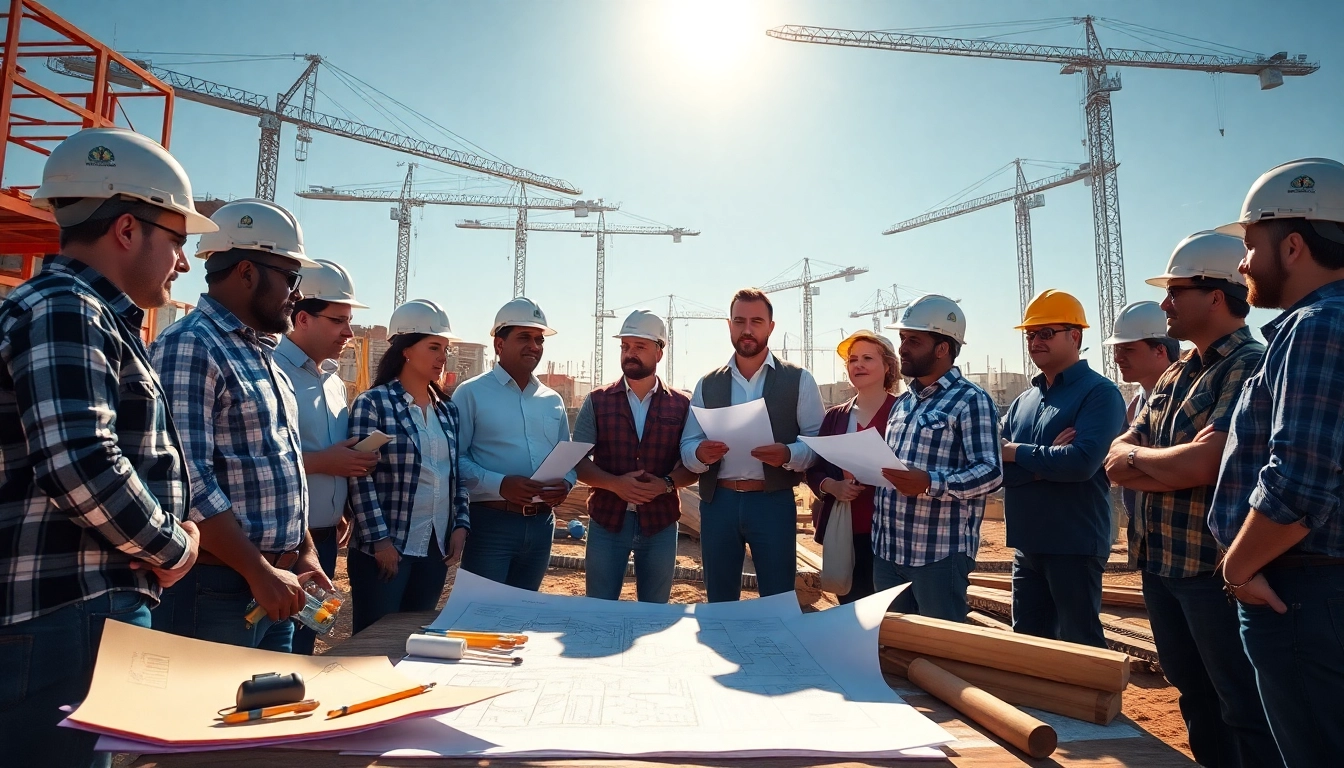
Engagement with community stakeholders is crucial for garnering support. This can include town hall meetings, surveys, and sessions where community members can voice their opinions and concerns. Actively listening to feedback and incorporating it into advocacy plans creates stronger community ties and ensures initiatives are reflective of public interests. Strong community engagement not only promotes support for initiatives but also fosters a sense of ownership among residents, leading to better project outcomes.
Utilizing Digital Tools for Advocacy
In an increasingly digital age, leveraging technology is essential for efficient advocacy. Social media platforms can amplify messages and increase public awareness, while online tools can help mobilize community support. Websites, blogs, and email newsletters are excellent avenues for disseminating information, updates, and educational content. Digital advocacy campaigns can also facilitate organizing efforts, allowing for wider reach and more effective community engagement.
Case Studies in Successful Construction Advocacy
Examples from Around the Country
Highlighting successful case studies provides a roadmap for effective advocacy. For example, in urban areas where community-driven projects transformed derelict spaces into vibrant community hubs, advocates have demonstrated the power of collective action. These projects often involve local residents in the planning process, ensuring that outcomes meet real community needs. Analyzing such initiatives can illuminate strategies worth replicating.
Lessons Learned from Failed Initiatives
Not every advocacy effort succeeds, and understanding the reasons behind failures is just as crucial. Some projects falter due to insufficient community involvement, lack of transparency, or inadequate communication with stakeholders. By reviewing these failures, advocates can adjust their tactics, identify weak points, and adopt a more resilient approach. Learning from these lessons can be the difference between success and failure in future initiatives.
How to Implement Successful Strategies
Implementing successful strategies requires a clear action plan. Key steps include establishing clear goals, identifying target stakeholders, and designing inclusive engagement processes. A thorough analysis of resources available, including human capital and funding, ensures that advocates are adequately prepared. Additionally, fostering partnerships can yield further resources and support. Continued evaluation of strategies throughout the advocacy process enables advocates to remain flexible and adaptive.
Measuring Success in Construction Advocacy
Key Performance Indicators for Advocates
To determine the effectiveness of advocacy efforts, establishing Key Performance Indicators (KPIs) is critical. KPIs can range from community engagement metrics, such as attendance at stakeholder meetings, to quantifiable project outcomes, including completed construction permits or policy changes. Regularly tracking these metrics allows advocates to measure progress and make informed decisions for future strategies.
Feedback and Improvement Loops
Constructive feedback is an invaluable element of advocacy. Creating open channels for feedback from stakeholders ensures that all voices contribute to the conversation. Regularly scheduled evaluations allow advocates to assess what is working, what is not, and how strategies can be adjusted to improve outcomes. Implementing feedback loops fosters a culture of continuous improvement and enhances the overall effectiveness of advocacy efforts.
Adapting Strategies Based on Results
The ability to pivot in response to new information or changing circumstances is an essential skill for advocates. By analyzing the results of initiatives and stakeholder feedback, advocates can refine their approaches, optimize resource utilization, and enhance the impact of their efforts. Agility in strategy maintains the relevance of advocacy in a constantly evolving construction industry.
Frequently Asked Questions
What are the main objectives of construction advocacy?
The primary objectives include fostering community engagement, influencing construction regulations, and ensuring projects meet safety and sustainability criteria.
Who can participate in construction advocacy?
Anyone invested in the construction sector can participate, including contractors, community members, architects, and local government officials.
How can technology support construction advocacy?
Technology supports advocacy through social media, online engagement platforms, and data analysis tools to enhance outreach and communication efforts.
What role do community organizations play in advocacy?
Community organizations bridge the gap between residents and policymakers, advocate for local needs, and promote inclusive development practices.
What is the first step in becoming a construction advocate?
The first step is educating yourself on local construction policies, community needs, and building relationships with relevant stakeholders.